The Definitive Guide to Alpbach Ski Resort, Austria
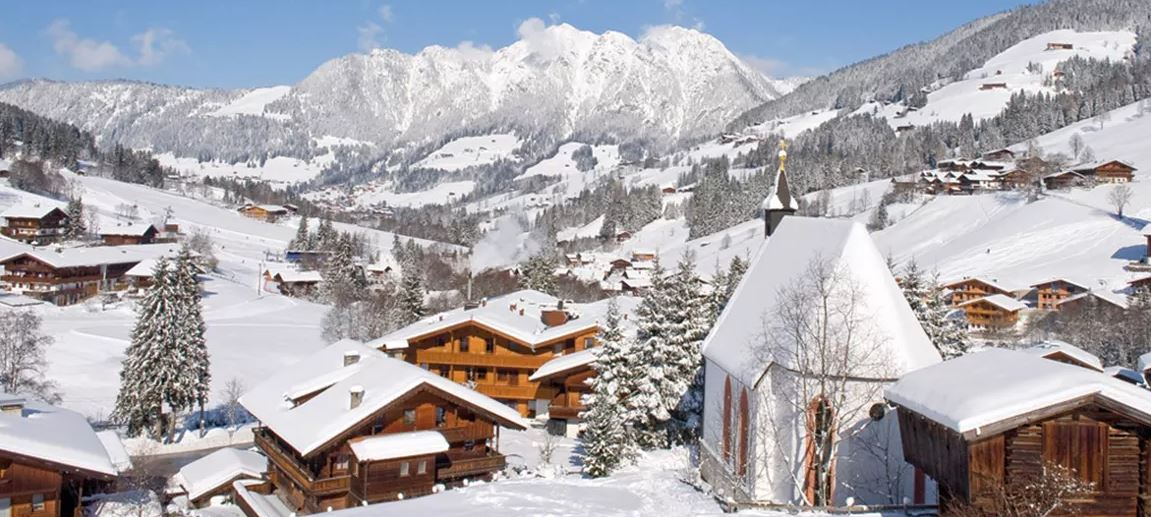
If you asked an AI to design the quintessential Austrian ski village based on a postcard from the 1950s, it would create Alpbach.
Famously voted “Austria’s Most Beautiful Village” thanks to strict building regulations that mandate timber cladding and pitched roofs on every building, Alpbach offers a visually stunning, profoundly traditional Tyrolean experience. But it is more than just a pretty face; it is the heart of a surprisingly large and varied ski area.
Here is everything you need to know for a trip to Alpbach.
1. The Vibe: What to Expect
Alpbach Ski Resort is quiet, cozy, and incredibly scenic. It is the antithesis of purpose-built French resorts or party hubs like Ischgl.
- Who it’s for: Families, couples, intermediate skiers looking for relaxing cruisers, and anyone who appreciates authenticity and stunning mountain architecture over wild après-ski.
- Who it’s not for: Hardcore freeriders looking for steep, high-altitude terrain, or groups looking for thumping nightclubs until 3 a.m.
2. The Skiing: Ski Juwel Alpbachtal Wildschönau
A decade ago, Alpbach was a charming but small ski area. That changed with the construction of a connecting gondola linking it to the neighboring valley of Wildschönau. The combined area is known as the Ski Juwel (Ski Jewel).
The Stats
- Total Pistes: Approx. 113km (in the combined Ski Juwel area).
- Altitude: Village at 1,000m; Top lifts around 2,025m.
- Lifts: Modern and efficient infrastructure, mostly gondolas and fast chairlifts.
The Terrain Breakdown
For Beginners:
There are excellent nursery slopes right in the village center (the “Acherfeld” lift), perfect for first-timers and small children. Once you graduate from those, the main mountain requires taking the gondola up, where you’ll find gentle blues near the middle station.
For Intermediates (The Sweet Spot):
Alpbach Ski Resort is paradise for intermediates. The majority of the runs are wide, rolling reds and cruising blues. The main mountain, the Wiedersbergerhorn, offers spectacular, sun-drenched red runs that let you carve big turns with incredible valley views. The connection over to Wildschönau opens up even more varied intermediate terrain, allowing for a full day of “ski safari” without repeating too many runs.
For Advanced & Experts:
While not its primary strength, there are challenges.
- Black runs: There are a handful of steep black pistes under the Wiedersbergerhornbahn gondola.
- Ski Routes: There are marked, unpisted ski routes that offer good powder skiing after a fresh snowfall.
- Off-Piste: Good tree skiing can be found between pistes, but hiring a local guide is recommended as the area is prone to avalanches outside the secured zones.
Important Logistics Note
The main village of Alpbach is not ski-in/ski-out. The main gondola station (Wiedersbergerhornbahn) is located just down the road in the valley. You need to take the very efficient, free ski bus (about a 5-minute ride) from the village to the lift station in the morning. You can ski back down to the gondola base station at the end of the day.
3. The Village and Non-Ski Activities
The village is the star attraction. It feels untouched by time. Even new hotels must be built in the traditional timber style. It is lovely just to walk around in the evenings when the snow is falling.
If you aren’t skiing, or want a break:
- Winter Hiking: There are over 50km of cleared winter walking paths winding through the forests and past frozen farmhouses.
- Snowshoeing: Guided tours are available to explore the deeper snow away from the paths.
- Tobogganing (Rodeln): A massive Austrian tradition. There is a popular run from the Faulbaumgartenalm down to Inneralpbach.
- The “Lauser-Sauser”: An alpine coaster (a sled on rails) located at the top station of the Wiedersbergerhornbahn. It operates year-round and is thrilling for kids and adults.
4. Food and Après-Ski
Mountain Dining
Alpbach Ski Resort excels at rustic, traditional mountain huts (Hütten). You won’t find many self-service cafeterias here; instead, expect table service, wood-burning stoves, and hearty Tyrolean fare (Kaiserschmarrn, Tiroler Gröstl, Knödel soup).
- Top Pick: Böglalm. A classic wooden hut on the piste known for its spit-roast chicken and lively atmosphere on the terrace.
- Top Pick: Hornboden. Located near the top gondola station, offering great views and solid food.
Après-Ski
The après scene is subdued and friendly.
- At the bottom of the main gondola station, there are a couple of umbrella bars that get lively immediately after the lifts close (around 4:00 PM to 6:00 PM).
- Later in the evening, the action moves to the village hotels. The “Waschküche” bar at the Hotel Post is a popular spot for a sophisticated drink.
5. Where to Stay
Because of the strict building codes, there are no massive concrete apartment blocks. Accommodation is almost exclusively in traditional Gasthofs (inns), family-run hotels, or charming B&Bs.
- Luxury/History: Romantikhotel Böglerhof. The historic heart of the village, offering high-end dining and beautiful spa facilities.
- Central & Traditional: Hotel Zur Post. Right in the village square, classic Austrian hospitality.
- Modern Tyrolean: Der Berghof. Slightly higher up the hill, offering great views and a modern take on the traditional style.
6. Practical Information
Getting There
- Nearest Airport: Innsbruck (INN) is the closest and easiest, about 50 minutes away by transfer. Munich (MUC) is about 2 hours away.
- By Train: Take a train to Jenbach station. From there, you can catch a public bus (about 40 mins) or a taxi to Alpbach.
When to Go
- December (Pre-Christmas): Quiet slopes, but snow cover on lower runs can sometimes be thin.
- January: Usually the best snow conditions and coldest temperatures. Quiet outside of New Year’s week.
- February: Busy with school holidays, but all lifts and connections will be fully open.
- March: Glorious sunny skiing and longer days. The snow on lower, south-facing slopes can get slushy in the afternoon.
Lift Passes
You will buy the Ski Juwel Alpbachtal Wildschönau pass. It covers all lifts in Alpbach and the connected valleys.
The Guest Card
If you stay in official accommodation in the valley, you will receive the “Alpbachtal Seenland Card” for free. This is very useful as it gives you free use of the ski buses connecting the villages and the lifts.
Summary Pros and Cons
| Pros | Cons |
| Incredibly beautiful, authentic village. | Not ski-in/ski-out (requires short bus ride). |
| Excellent cruising terrain for intermediates. | Limited challenging terrain for experts. |
| Great lift infrastructure and connections. | Low altitude village means snow isn’t always guaranteed right to the door. |
| Family-friendly and safe atmosphere. | Very quiet nightlife. |
| High quality mountain huts and food. |