This guide to La Thuile is designed to give you a comprehensive overview of the resort, helping you decide if it’s the right destination for your next ski trip and how to make the most of it while you are there.
The Hidden Gem of the Aosta Valley: The Ultimate Guide to La Thuile Ski Resort
La Thuile Ski Resort is often described by ski enthusiasts as one of the Alps’ best-kept secrets. Located in the Aosta Valley in northwest Italy, tucked against the French border, it offers a compelling blend of serious, high-altitude skiing, authentic Italian charm, and a distinct lack of the crowds found in more famous neighboring resorts.
It is perhaps best known for two things: its incredible snow record (thanks to its own microclimate) and its link to La Rosière in France, forming the international Espace San Bernardo ski area.
If you are looking for vast, empty pistes, challenging terrain, excellent Italian food, and value for money over glitz and glamour, La Thuile should be high on your list.
1. The Ski Area: Espace San Bernardo
The core appeal of La Thuile Ski Resort is the skiing. It’s a tale of two countries. Your lift pass covers both the Italian side (La Thuile) and the French side (La Rosière), offering a combined total of 152km of pistes.
The La Thuile Side (Italy)
The Italian side is characterized by its north-facing slopes, which holds snow incredibly well, keeping it chalky and grippy long after other resorts have turned to slush.
- The Vibe: The upper slopes are vast, wide-open snowfields above the treeline offering spectacular views of the Mont Blanc massif and the Matterhorn. The lower slopes leading back to the village are heavily wooded, providing excellent visibility on snowy days and home to some surprisingly steep terrain.
- The “Siberia” Factor: La Thuile is sometimes nicknamed “Little Siberia.” It gets very cold, and the upper lifts can be exposed to high winds. Tip: Dress warmly and invest in good goggles.
The La Rosière Link (France)
Crossing the border is easy via long drag lifts or chairlifts over the Belvedere pass. The French side is sunnier, south-facing, generally gentler, and offers a completely different feel. It’s perfect for a lunchtime excursion to eat tartiflette before skiing back to Italy for dinner.
2. Who Is the Skiing For?
La Thuile Ski Resort is unusually well-balanced, but it has a specific sweet spot.
For Intermediates (Strong Blues & Reds)
Verdict: 5/5 Stars This is La Thuile’s playground. The resort is dominated by incredibly long, wide, rolling red runs on the upper mountain (in the Chaz Dura area). You can carve uninterrupted for miles without seeing another soul. The link to France provides a great sense of travel and distance.
For Experts (Blacks & Off-Piste)
Verdict: 4/5 Stars La Thuile is deceptively challenging. The black runs down through the trees to the village are notoriously steep and icy, including the famous Piste No. 3 (Franco Berthod), a regular stop on the Women’s World Cup circuit. It has a gradient of up to 73% in places.
- Off-Piste: Because the resort is quieter, the off-piste between the pistes (interstitiel) stays untracked for longer. There is also excellent, affordable heli-skiing available on the surrounding glaciers—one of the few places in Europe where this is easily accessible.
For Beginners
Verdict: 3/5 Stars There are excellent, dedicated nursery slopes right at the base of the village, separate from main traffic. However, the progression is tricky. The “easy” runs up the mountain are quite steep for blues, and the runs back to the village are intimidating for low-intermediates. Beginners might find themselves downloading on the main gondola at the end of the day.
3. The Village and Vibe
La Thuile is not a “chocolate box” resort, nor is it a party town. It is an authentic, functional Italian mountain community with a mining history.
The village is effectively split into two parts by a river:
- The Old Town: A charming collection of stone and wood buildings, traditional restaurants, and narrow streets. This is the “real” La Thuile.
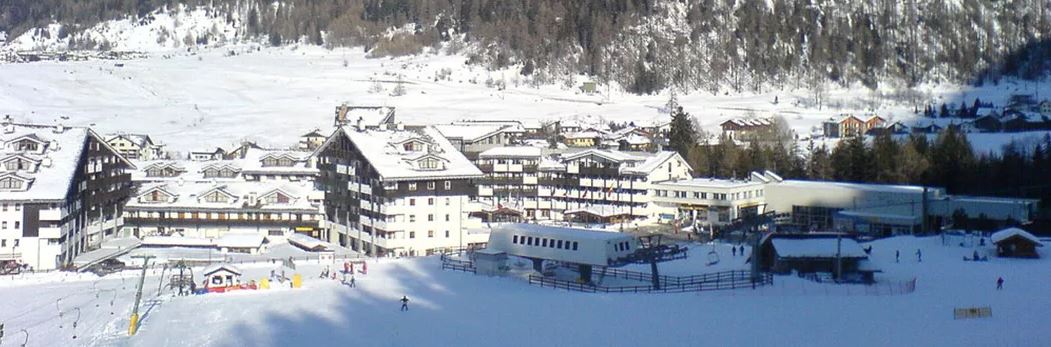
- The Planibel Complex: A massive, slightly brutalist 1980s development at the base of the lifts. It houses apartments, hotels, shops, and pools all in one place. It is incredibly convenient for ski-in/ski-out access, but lacks aesthetic charm.
- Aprés-Ski: It is quiet. You will find nice bars for an Aperol Spritz or a bombardino (a hot, alcoholic eggnog drink) after the lifts close, but do not expect table-dancing at 3 AM. This is a resort for people who want to ski hard and eat well.
4. Food and Drink
This is Italy; the food is excellent and significantly cheaper than across the border in France.
On the Mountain
Mountain huts (Rifugios) here are high quality. You won’t just find overpriced spaghetti bolognese; you will find local specialties like Polenta Concia (polenta with melted cheese and butter), hearty game stews, and excellent homemade pasta.
- Top Pick: Look out for Le Foyer or Lo Riondet on the lower slopes for rustic, high-quality lunches.
In the Village
Dining ranges from simple, incredible pizzerias to high-end Aostan cuisine. The focus is on local ingredients like Fontina cheese and local wines.
- Tip: If you ski over to France for lunch, be prepared for prices to jump by about 30%.
5. Activities Off the Slopes
If you aren’t skiing, or need a break, there are good options nearby.
- Pré-Saint-Didier Thermal Spa: Located just a 15-minute drive (or bus ride) down the valley, these famous Roman thermal baths are a must-do. Sitting in a steaming outdoor pool looking up at Mont Blanc is unforgettable.
- Snowshoeing and Cross-Country: The valley floor offers extensive, beautiful trails for Nordic skiing and snowshoeing.
- History: The area has a rich history of coal mining, and you can see remnants of the old mine workings on the mountain near the Col de la Forclaz.
6. Practical Essentials
- Getting There:
- Geneva Airport (GVA): About a 2-hour transfer. The most common route for international visitors.
- Turin Airport (TRN): About 1 hour 45 mins away. Often easier driving as it avoids the Mont Blanc Tunnel.
- Driving: If driving from Northern Europe, you will likely come through the Mont Blanc Tunnel. Be aware that the tunnel toll is expensive.
- When to Go:
- January: Best for snow quality and empty slopes, but very cold.
- February: Busiest period due to European school holidays.
- March: Best for sun and longer days, and the north-facing slopes ensure the snow remains good.
Final Verdict
La Thuile is a fantastic choice for keen skiers who prioritize the mountain experience over the nightlife. It offers a unique opportunity to ski two countries in one day, provides some of the most reliable snow in the Alps, and serves up authentic Italian hospitality at a reasonable price. If you don’t mind the cold wind and the lack of a wild party scene, you will love it.