The Unstoppable Harriet Chalmers Adams: America’s Greatest Female Explorer
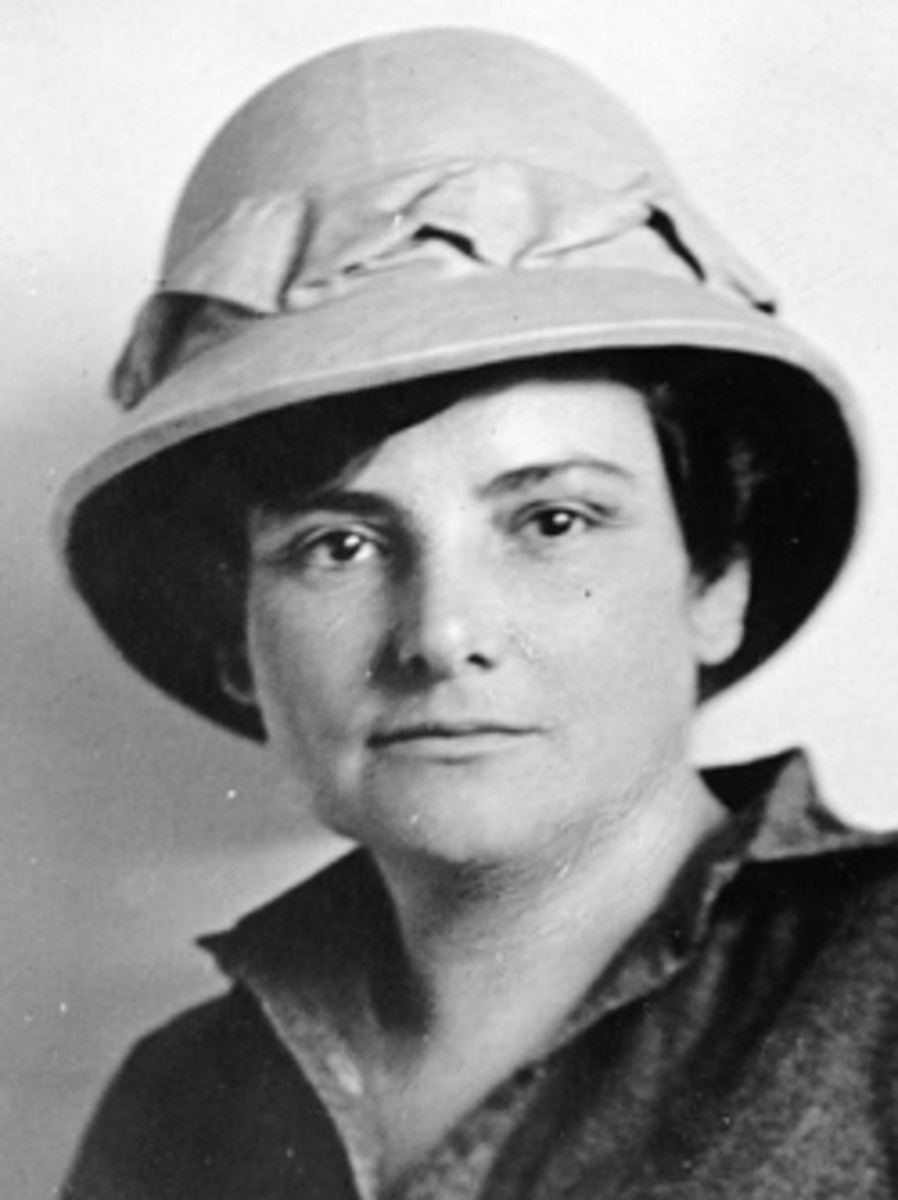
If you were to list the greatest explorers of the 20th century, names like Shackleton, Bingham, or Amundsen might immediately come to mind. Yet, one of the most prolific and daring adventurers of the era is frequently left out of the history books: Harriet Chalmers Adams (1875–1937).
Dubbed the “Mrs. Marco Polo of the Americas” and “America’s greatest woman explorer” during her lifetime, Adams traveled over 100,000 miles, captivated audiences across the globe, and shattered the glass ceiling of the male-dominated world of geographic exploration.
Here is a look at the life and legacy of a woman who refused to let societal expectations keep her at home.
The Making of an Adventurer
Born in Stockton, California, in 1875, Adams didn’t have a traditional upbringing. While other girls her age were taught domestic skills, she was riding horseback through the Sierra Nevada mountains with her father. By the age of 14, she had completed a year-long horseback trek from Oregon to Mexico.
Her formal schooling ended at age 11, but her education was vast. She was a voracious reader, learned multiple languages (including Spanish, French, and Portuguese), and developed a deep curiosity about the world. In 1899, she married Franklin Pierce Adams, an electrician who shared her wanderlust. Instead of settling down, the couple saved their money to fund a life of travel.
Conquering the Americas and the World
Adams is perhaps best known for her grueling, unprecedented journeys through Latin America. In 1904, she and her husband embarked on a three-year, 40,000-mile expedition across South America. They visited every country on the continent, traversed the Andes on horseback (reaching altitudes of 23,000 feet), and navigated the Amazon in canoes.
She didn’t stop there. Over her career, Adams accomplished a staggering list of feats:
- Retracing History: She meticulously retraced the early American exploration routes of Christopher Columbus and followed Ferdinand Magellan’s sailing route from Spain to the Philippines.
- WWI Frontlines: During World War I, she served as a correspondent for Harper’s Magazine and became the first female journalist permitted to visit and photograph the French trenches.
- National Geographic Star: She launched a 30-year relationship with the National Geographic Society, writing 21 articles and providing her own incredible photographs. She became the most published woman in the magazine’s first half-century.
A Champion for Women and Indigenous Peoples
Unlike many explorers of her day, Adams was deeply interested in the human element of the places she visited. She lived among indigenous tribes, sharing their food and customs, and was openly critical of the devastating impacts of European colonialism on native populations.
Furthermore, Adams became a fierce advocate for women. Despite her massive achievements, she was denied entry into the prestigious (and entirely male) Explorers Club in New York. Unfazed, she took matters into her own hands. In 1925, she helped found the Society of Woman Geographers to provide a community for female explorers, serving as its first president until 1933.
“There is no reason why a woman cannot go wherever a man goes, and further,” Adams boldly stated in 1920. “I’ve never found my sex a hinderment… never felt a fear of danger; never lacked courage to protect myself.”
Her Legacy
Harriet Chalmers Adams passed away in Nice, France, in 1937 at the age of 61. Though her name faded from popular memory, her contributions to ethnology, geography, and photography are immense. She proved definitively that the remote, uncharted corners of the globe were not exclusively a man’s domain