Add to Your Bucket List
 Add to Bucket List Add to Bucket List
|
Bhutan, a kingdom where progress isn’t measured in money, but in “Gross National Happiness.”
This is a land where ancient monasteries cling to mist-covered cliffs and the air is thick with the scent of pine and incense.
Traveling to Bhutan in 2026 is a unique experience. Unlike many destinations, Bhutan carefully curates its tourism to protect its environment and culture. Here is your essential guide to navigating the “Land of the Thunder Dragon.”
🏔️ Top Destinations: From Valleys to Peaks
1. Paro: The Gateway & The Icon
Paro is home to the country’s only international airport—one of the most dramatic landings in the world.
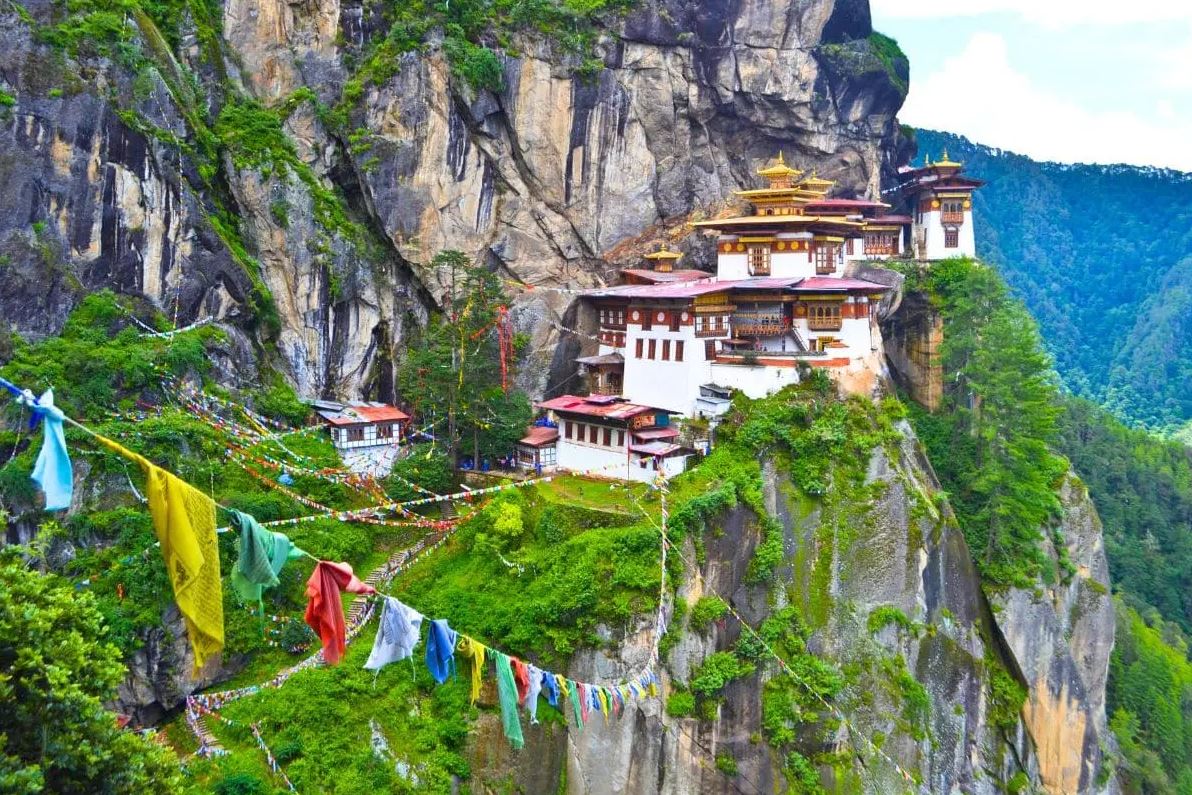
- Tiger’s Nest (Paro Taktsang): No trip is complete without the hike to this sacred monastery, perched $900$ meters above the valley floor.
- National Museum: Housed in an ancient watchtower, it’s the perfect primer on Bhutanese history.
2. Thimphu: The Modern Capital
The world’s only capital city without a single traffic light.
- Buddha Dordenma: A massive, 51-meter gold-plated Buddha statue overlooking the valley.
- Motithang Takin Preserve: See the Takin, Bhutan’s unique national animal that looks like a cross between a goat and a cow.
3. Punakha: The Winter Capital
Lower in altitude and noticeably warmer, Punakha is famous for its breathtaking architecture.
- Punakha Dzong: Often called the most beautiful fortress in Bhutan, it sits at the confluence of the “Father” and “Mother” rivers.
- Chimi Lhakhang: The famous “Fertility Temple” dedicated to the Divine Madman.
🎟️ Essential Logistics (2026 Updates)
To keep its “High Value, Low Volume” promise, Bhutan has specific entry requirements for international tourists.
| Requirement | Details |
| Visa | Must be applied for in advance. A one-off fee of US$40 applies. |
| Sustainable Development Fee (SDF) | Most tourists pay US$100 per adult, per night. (Note: Indian, Bangladeshi, and Maldivian nationals have different rates). |
| Mandatory Guide | While you can wander Thimphu and Paro independently, you must have a guide for monasteries and travel outside these hubs. |
| Insurance | While not strictly mandatory as of 2026, travel insurance is highly recommended for high-altitude trekking. |
Pro Tip: Starting in 2026, a 5% GST is applied to most tourism services (excluding the SDF), so budget for a slight increase in local costs compared to previous years.
🥢 Culture & Etiquette: The Bhutanese Way
The Bhutanese are incredibly welcoming, but their culture is deeply rooted in Vajrayana Buddhism. A little respect goes a long way.
- The Clockwise Rule: Always walk to the left of religious structures (stupas, prayer wheels, and temples) so that the object is on your right.
- Dress the Part: When entering a Dzong (fortress) or temple, you must wear long pants/skirts and long-sleeved shirts. No hats or sunglasses inside.
- Photography: Never take photos inside a temple shrine. Outside is usually fine, but always ask people before taking their portrait.
- The “No” Habit: In Bhutan, it’s polite to refuse food or drink the first time it’s offered. Say “Meshu Meshu” and then accept on the second or third offer.
🗓️ When to Visit
- Spring (March–May): Rhododendrons are in full bloom, and the famous Paro Tshechu festival takes place.
- Autumn (September–November): The clearest skies for mountain views and the Thimphu Tshechu festival.
- Winter (December–February): Cold but sunny. Great for seeing the rare Black-Necked Cranes in Phobjikha Valley.
Bhutan isn’t just a place you see; it’s a place you feel. Whether you’re spinning a prayer wheel or sharing a bowl of spicy Ema Datshi (chili and cheese) with a local family, you’ll leave with a sense of peace that’s hard to find anywhere else on Earth.