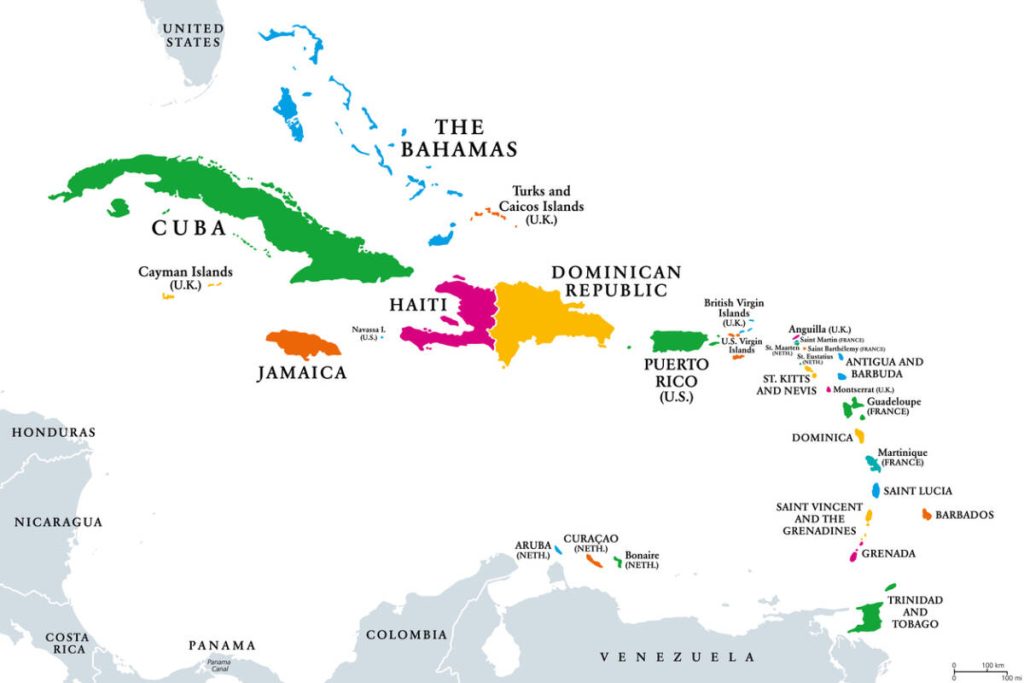
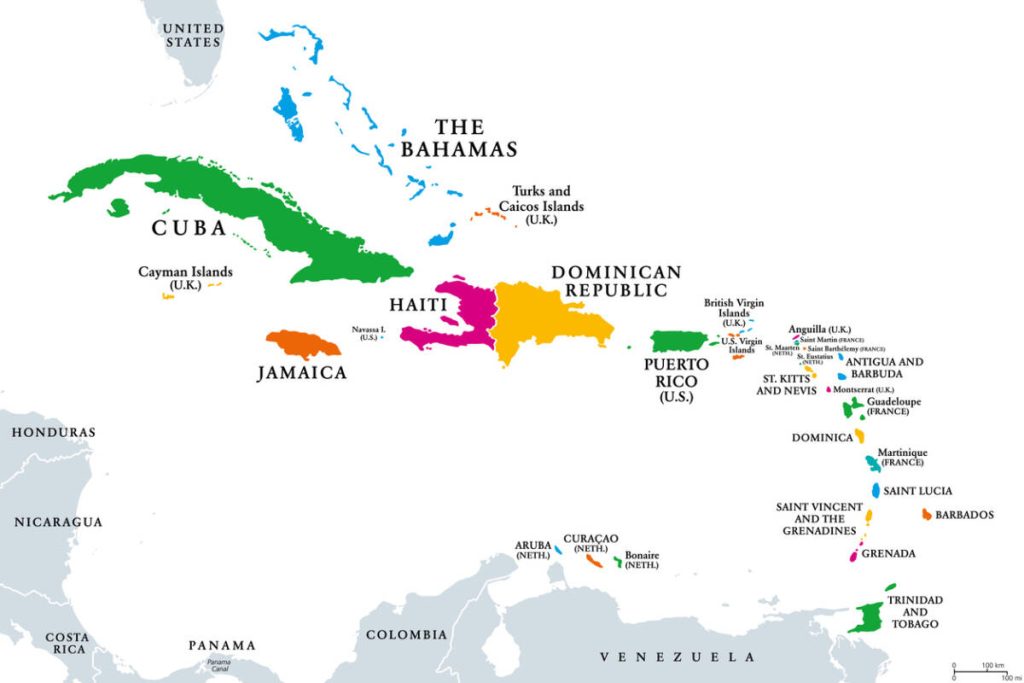
Beyond the postcard-perfect imagery of white sands and turquoise waters, the Caribbean is a vast, complex archipelago of over 7,000 islands, islets, and cays. Stretching in a 2,500-mile arc from the tip of Florida down to the northern coast of South America, this region serves as a bridge between two continents and a crossroads for global history.
A Geographic Mosaic
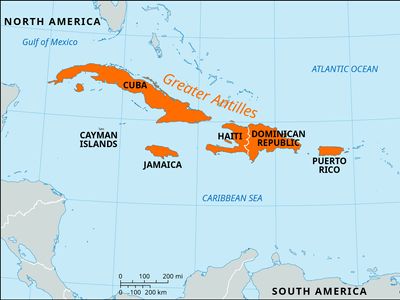
The Caribbean is primarily divided into three major groupings, each with its own distinct landscape and geological origin:
The Greater Antilles: Home to 90% of the region’s landmass, this group includes the largest islands: Cuba, Jamaica, Hispaniola (Haiti and the Dominican Republic), and Puerto Rico. These islands are characterized by rugged mountain ranges, such as the Blue Mountains in Jamaica and the Pico Duarte in the Dominican Republic—the highest peak in the Caribbean.
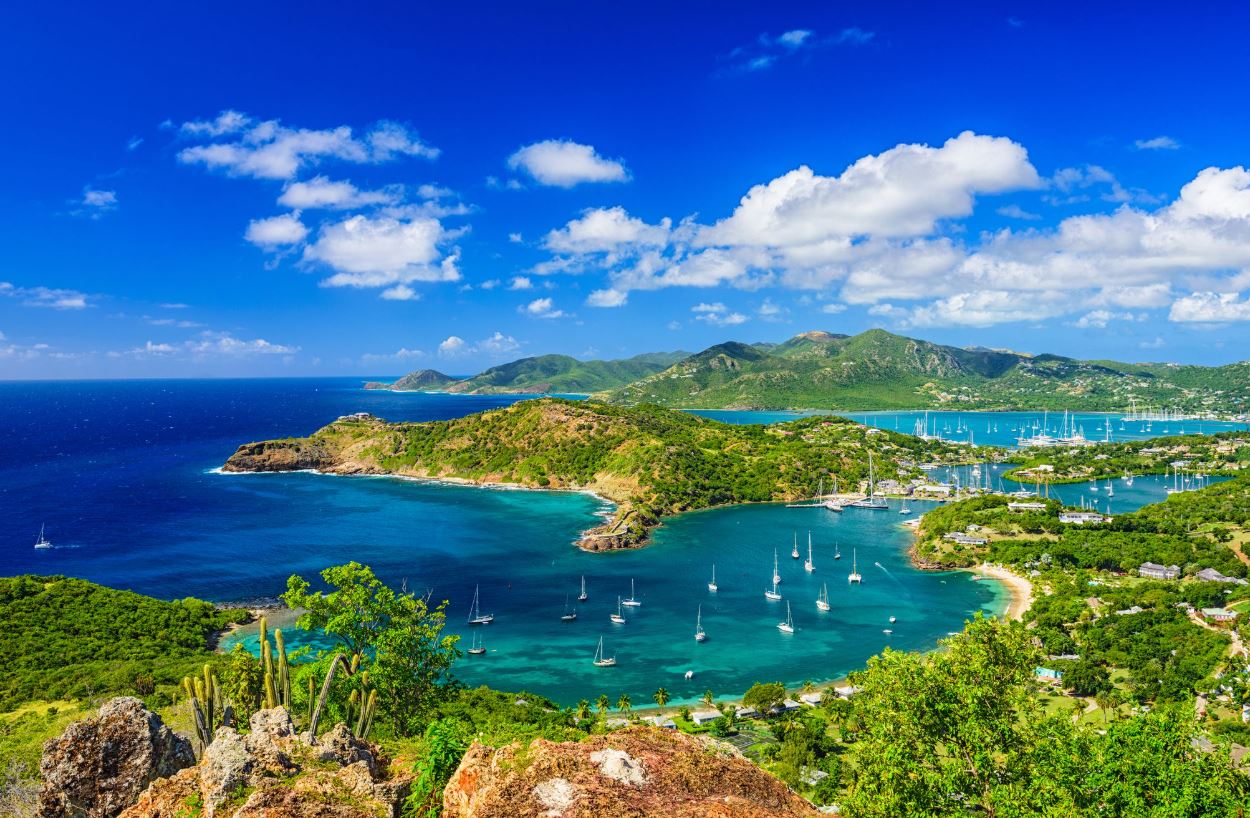
The Lesser Antilles: A long arc of smaller islands to the east and south, further split into the Leeward Islands (north) and the Windward Islands (south). Many of these, like St. Lucia and Dominica, are volcanic, featuring lush rainforests and dramatic peaks known as “Pitons.”
The Lucayan Archipelago: Comprising the Bahamas and the Turks and Caicos Islands, these are low-lying coral formations rather than volcanic mountains, famous for some of the clearest waters on the planet.
A Cultural Melting Pot
The soul of the Caribbean is its “Creole” identity—a vibrant fusion born from centuries of interaction between Indigenous populations, European colonizers, and enslaved Africans.
History & Heritage
The region was originally inhabited by the Taíno, Arawak, and Carib peoples before Christopher Columbus’s arrival in 1492. The subsequent centuries of Spanish, British, French, and Dutch rule established a plantation economy that relied heavily on the transatlantic slave trade. This painful history fostered a spirit of resilience that defines Caribbean culture today.
The Rhythm of Life
Caribbean influence on global culture is immense, particularly in music and food:
Music: Each island has its heartbeat, from Reggae in Jamaica and Salsa in Cuba to Soca in Trinidad and Tobago and Zouk in Martinique.
Cuisine: The food is a literal “melting pot,” blending African spices, European techniques, and local tropical ingredients. Signature dishes include Jamaican jerk chicken, Cuban Ropa Vieja, and the Dutch-influenced keshi yena of Aruba.
Biodiversity and the Environment
The Caribbean is one of the world’s top biodiversity hotspots. While it accounts for only 0.16% of the Earth’s land area, it contains 10% of the world’s coral reefs and thousands of endemic species found nowhere else.
However, the region is also on the front lines of climate change. Rising sea levels and the increasing intensity of hurricanes present significant challenges. Many nations are now leaders in the “Blue Economy,” focusing on sustainable tourism and the protection of marine ecosystems like the Molinere Underwater Sculpture Park in Grenada, which doubles as an artificial reef.
Travel in 2026: Top Destinations
For those looking to visit, 2026 highlights a shift toward “barefoot luxury” and eco-conscious exploration: