The Alchemist’s Kitchen: Why Peru is the Gastronomic Capital of the World
For the past decade, the culinary world hasn’t been looking toward Paris or Tokyo for the next big thing—it has been looking toward Lima. Peru gastronomic capital of the world it’s more than just “fusion” food; it is a 500-year-old conversation between diverse cultures and one of the most extreme topographies on the planet.
A Geography of Flavor
Peru is the Gastronomic Capital of the World it’s secret weapon is its biodiversity. The country is divided into three distinct regions, each contributing its own “gold” to the kitchen:
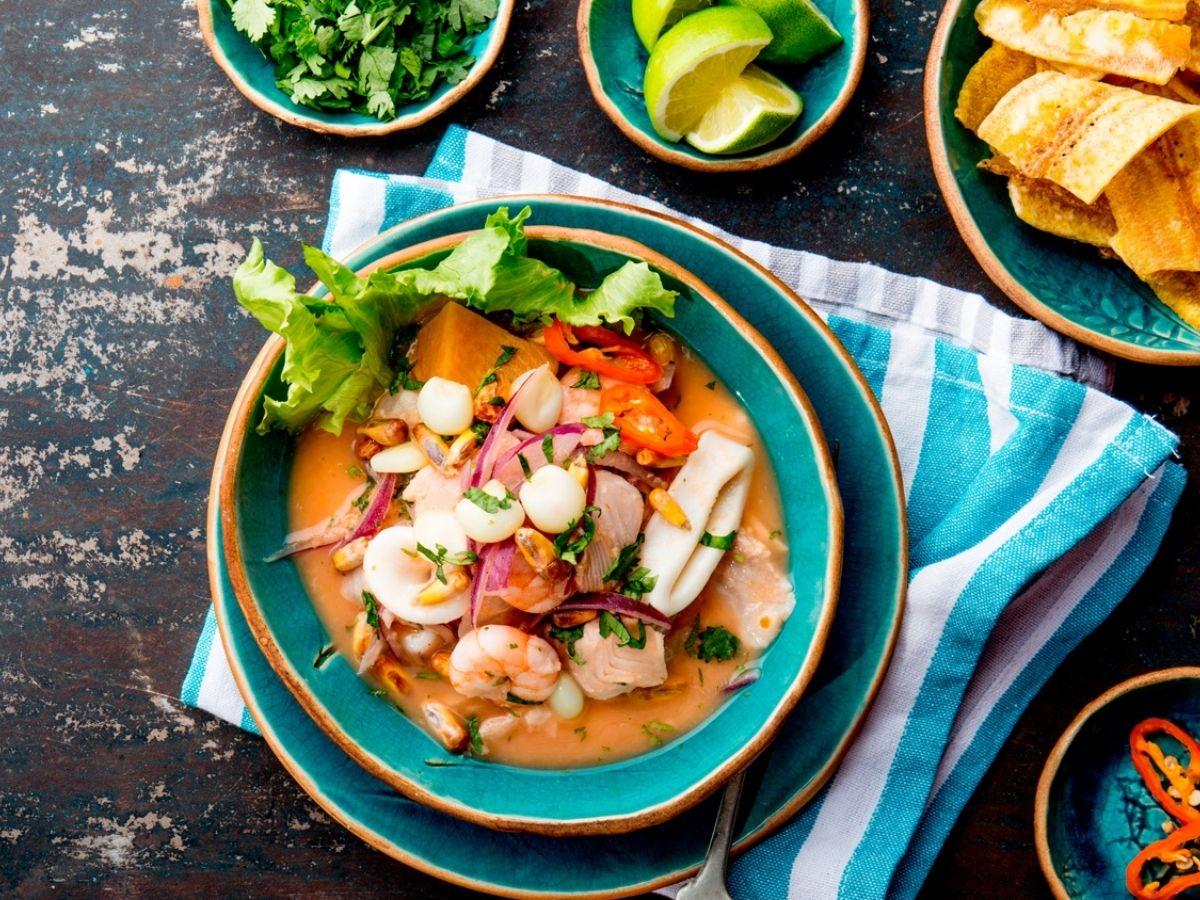
- The Coast (Costa): The cold Humboldt Current makes the Peruvian sea one of the richest in the world, providing the pristine bass, sole, and shellfish essential for Ceviche.
- The Highlands (Sierra): The birthplace of the potato (with over 3,800 varieties), the Andes offer ancient grains like quinoa and kiwicha, and traditional techniques like Pachamanca (cooking underground with hot stones).
- The Jungle (Selva): A massive larder of exotic fruits like camu camu, river fish like paiche, and pungent spices that are just now reaching the global stage.
The Four Pillars of the Peruvian Plate
If you want to understand the Peruvian palate, you have to start with these essential dishes:
| Dish | Description | The “Secret” Ingredient |
|---|---|---|
| Ceviche | Raw fish cured in citrus juices. | Leche de Tigre (Tiger’s Milk) |
| Lomo Saltado | A stir-fry of beef, onions, and tomatoes. | The Wok (Cantonese influence) |
| Causa Limeña | Layered cold potato mash with tuna or chicken. | Aji Amarillo (Yellow chili paste) |
| Anticuchos | Grilled skewers of marinated beef heart. | Panca Chili and smoke |
The “Melting Pot” Effect
Peruvian food is the ultimate historical record. It is a “Mestizo” cuisine, born from the blending of indigenous Incan traditions with immigrant influences:
- Spanish: Brought dairy, beef, and olives.
- African: Creative use of offal (like beef hearts) and the introduction of complex spices.
- Chinese (Chifa): Perhaps the most influential, giving Peru its love for soy sauce, ginger, and rapid stir-frying.
- Japanese (Nikkei): Revolutionized how Peruvians treated seafood, turning Ceviche from a long-marinated “cooked” fish into the flash-marinated, sashimi-style delicacy it is today.
The High-Altitude Revolution
Today, chefs like Virgilio Martínez (of Central, often ranked #1 in the world) are taking the cuisine into the stratosphere—literally. His “Vertical Ecology” approach creates menus based on the elevation of ingredients, ranging from sea level to the 4,000-meter peaks of the Andes.
“In Peru, food is not just sustenance; it is our national identity. It is the one thing every Peruvian, regardless of background, is fiercely proud of.”
The Final Touch: The Pisco Sour
No exploration of Peruvian gastronomy is complete without a Pisco Sour. This cocktail—made from Pisco (grape brandy), lime juice, simple syrup, egg white, and Angostura bitters—perfectly mirrors the cuisine: a balance of high acidity, subtle sweetness, and a creamy texture.
Whether you are eating a $2 plate of Arroz con Pollo in a bustling market or a 17-course tasting menu in Miraflores, Peruvian gastronomy offers a complexity that few other cultures can match. It is a cuisine that respects the past but is obsessed with the future.