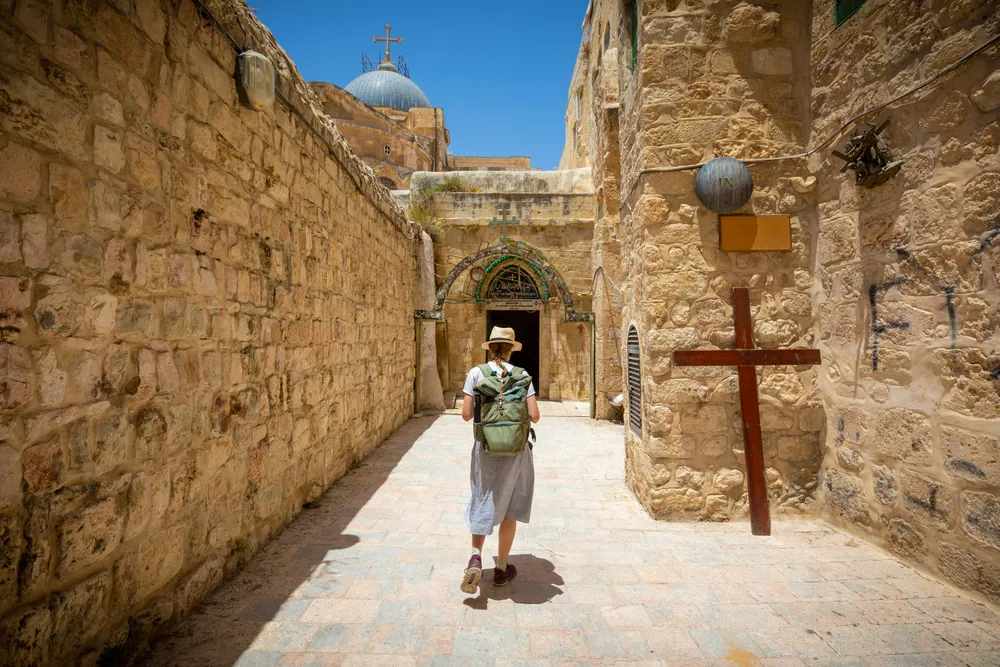
The Via Dolorosa Jerusalem, Latin for “The Way of Suffering,” is a processional route winding through the Old City of Jerusalem. For millions of Christians worldwide, it is the most sacred and poignant pilgrimage, representing the path Jesus Christ is believed to have walked on his way to his crucifixion.
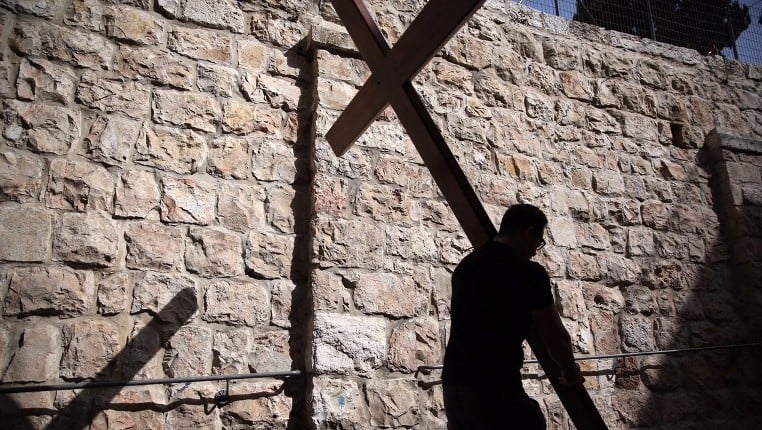
This ancient, narrow street is more than just a physical path; it is a spiritual journey, a living connection to the final hours of Christ’s life.
A Path Steeped in History and Faith
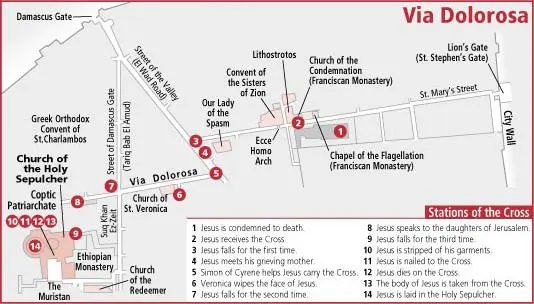
The Via Dolorosa Jerusalem as we know it today is not the exact route Jesus would have taken. Historical and archaeological evidence suggests the path has changed over the centuries, influenced by the city’s shifting layout and the traditions of various Christian denominations. The current route was largely established by Franciscan friars in the 14th century, who were charged with the care of the Holy Land’s sacred sites. The route’s 600-meter length and its 14 stations, or “Stations of the Cross,” have been a point of devotion for pilgrims since at least the Byzantine period.
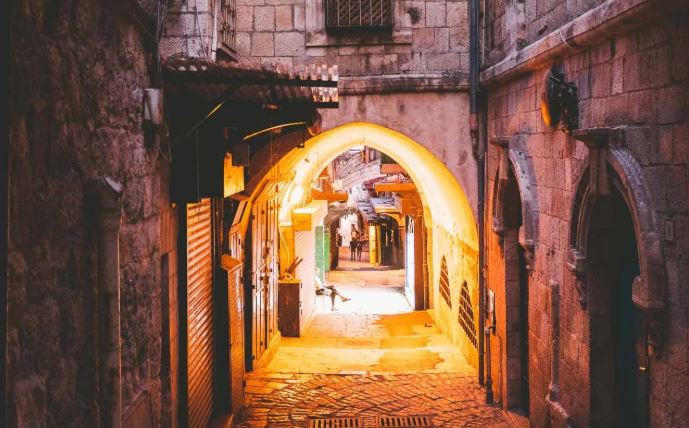
The significance of the Via Dolorosa is not merely in its historical accuracy, but in its powerful spiritual resonance. It provides a tangible way for the faithful to contemplate the Passion of Christ and to “walk in his footsteps,” reflecting on the suffering and sacrifice that are central to Christian belief.
The 14 Stations of the Cross
The Via Dolorosa Jerusalem is defined by its 14 Stations of the Cross, each marking a significant event along Jesus’s journey to Golgotha. These stations, a mix of biblical events and deeply rooted traditions, guide pilgrims in their reflection. The first nine stations are located on the street itself, while the final five are found within the revered Church of the Holy Sepulchre.
- Station I: Jesus is condemned to death. This station is believed to be the site of the former Antonia Fortress, where Pontius Pilate sentenced Jesus. Today, the location is a Muslim school, the Madrasa al-Omariya.
- Station II: Jesus takes up his cross. Located near the first station, this site is marked by the Franciscan Monastery of the Flagellation, where Jesus was scourged and given the cross to carry.
- Station III: Jesus falls for the first time. A small Armenian Catholic church marks the spot where, according to tradition, Jesus first stumbled under the weight of the cross.
- Station IV: Jesus meets his Blessed Mother. This station, marked by the Armenian Church of Our Lady of the Spasm, commemorates the heartbreaking moment Jesus encountered his grieving mother, Mary.
- Station V: Simon of Cyrene helps Jesus carry the cross. A Franciscan chapel marks the spot where Roman soldiers compelled a bystander, Simon of Cyrene, to help Jesus bear his burden. A hollow in the stone wall is said to have the imprint of Jesus’s hand.
- Station VI: Veronica wipes the face of Jesus. This station is rooted in tradition, not the Gospels. A woman named Veronica, moved by compassion, is said to have wiped the sweat and blood from Jesus’s face with her veil, on which his image was miraculously imprinted.
- Station VII: Jesus falls a second time. This station is believed to be where Jesus fell again, a second time under the weight of the cross.
- Station VIII: Jesus meets the women of Jerusalem. At this point, Jesus is said to have comforted a group of weeping women, telling them not to weep for him, but for themselves and their children.
- Station IX: Jesus falls a third time. The final fall is marked by a column on the outer wall of the Coptic Monastery, symbolizing the complete exhaustion Jesus endured.
The remaining five stations are located inside the magnificent Church of the Holy Sepulchre:
- Station X: Jesus is stripped of his garments.
- Station XI: Jesus is nailed to the cross.
- Station XII: Jesus dies on the cross.
- Station XIII: Jesus is taken down from the cross.
- Station XIV: Jesus is laid in the tomb.
A Pilgrim’s Experience
Walking the Via Dolorosa Jerusalem is a profound experience. Pilgrims often participate in a procession, especially on Fridays and Good Friday, following the Latin and Orthodox traditions. The route, which passes through the narrow, crowded streets of the Muslim Quarter, is a mix of bustling commerce and solemn devotion. As pilgrims move from one station to the next, they recite prayers, sing hymns, and reflect on the suffering and love that defined this journey.
While the route’s historical origins may be debated, its spiritual power is undeniable. The Via Dolorosa is a physical and spiritual bridge between the past and present, inviting all who walk it to connect with the core narrative of Christianity and to contemplate the enduring message of faith, sacrifice, and redemption